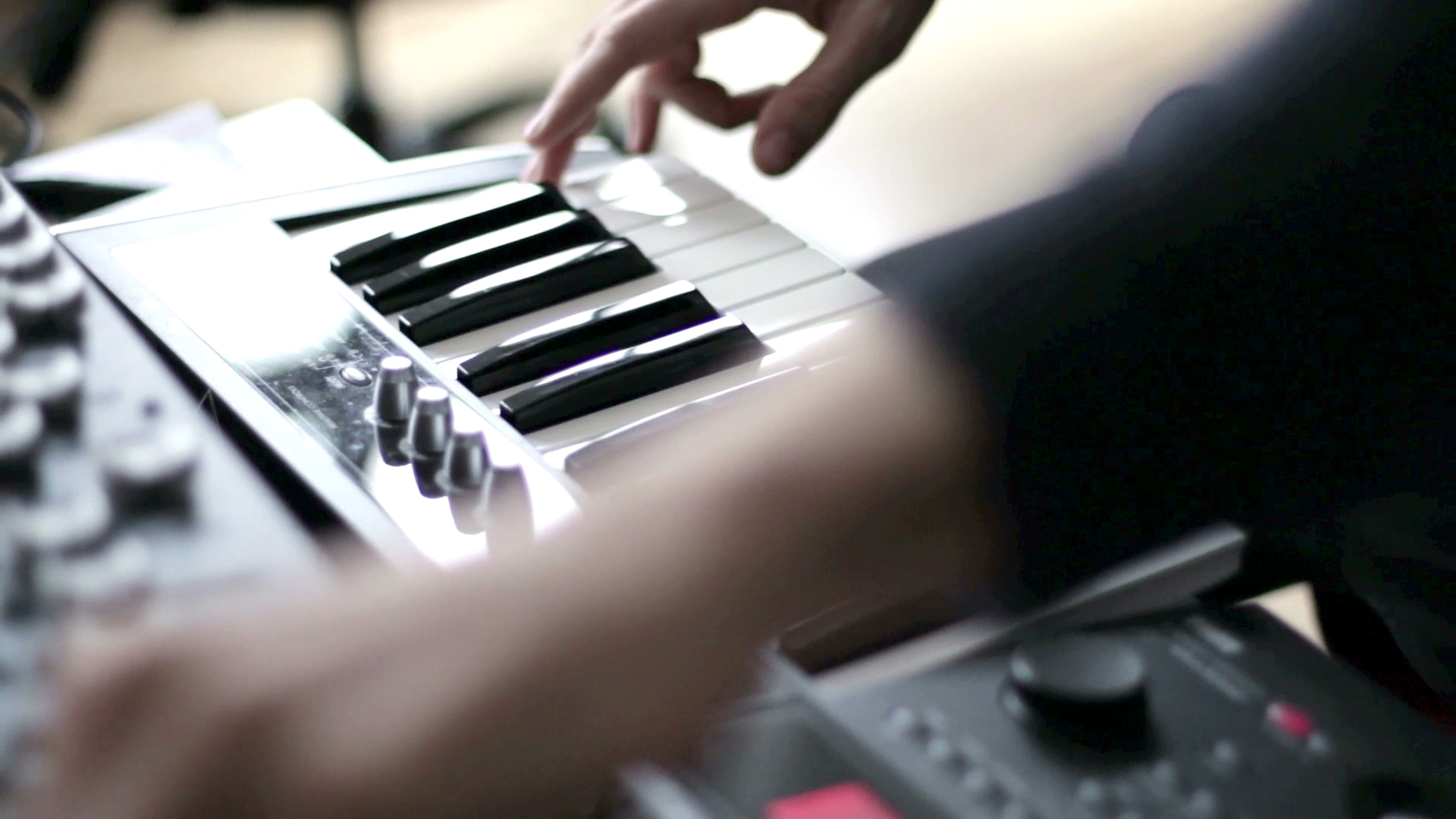
A few weeks ago we presented our first creative partner project and our first short film, the result of a cooperation between Berlin-based composer and music producer Robot Koch and the photographer Sabrina Theissen. For “In a Creative Dialogue – Robot Koch x Sabrina Theissen for IWISHUSUN” our ambassadors got together to take a look at the topic of sight, which IWISHUSUN has dedicated its work to. These photos shown below and above document Robot Koch’s working process.
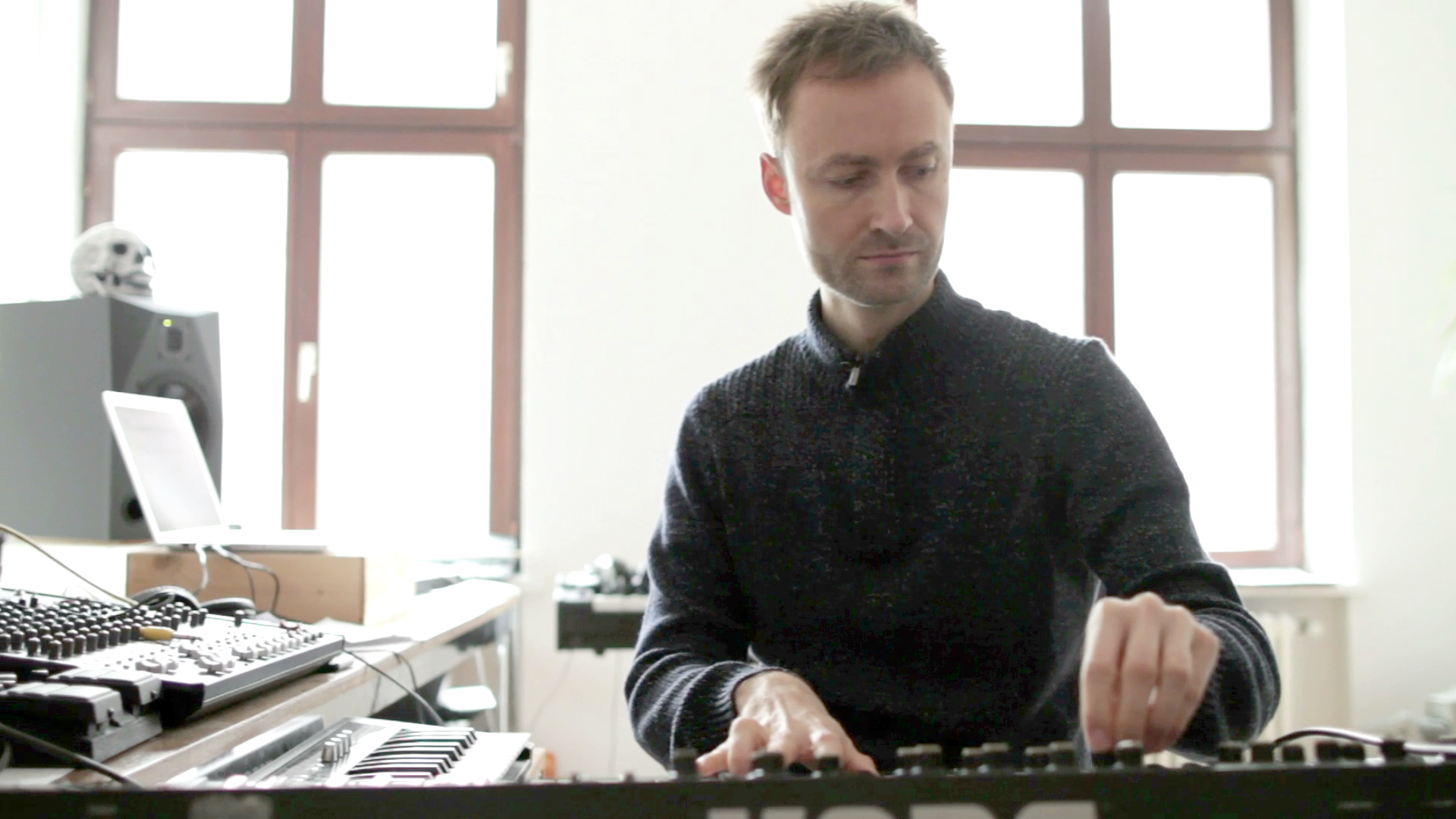
The process and the thoughts of the two IWISHUSUN ambassadors are documented in intense imagery in Editude Pictures’ short film, “In a Creative Dialogue – Robot Koch x Sabrina Theissen for IWISHUSUN”:
]]>
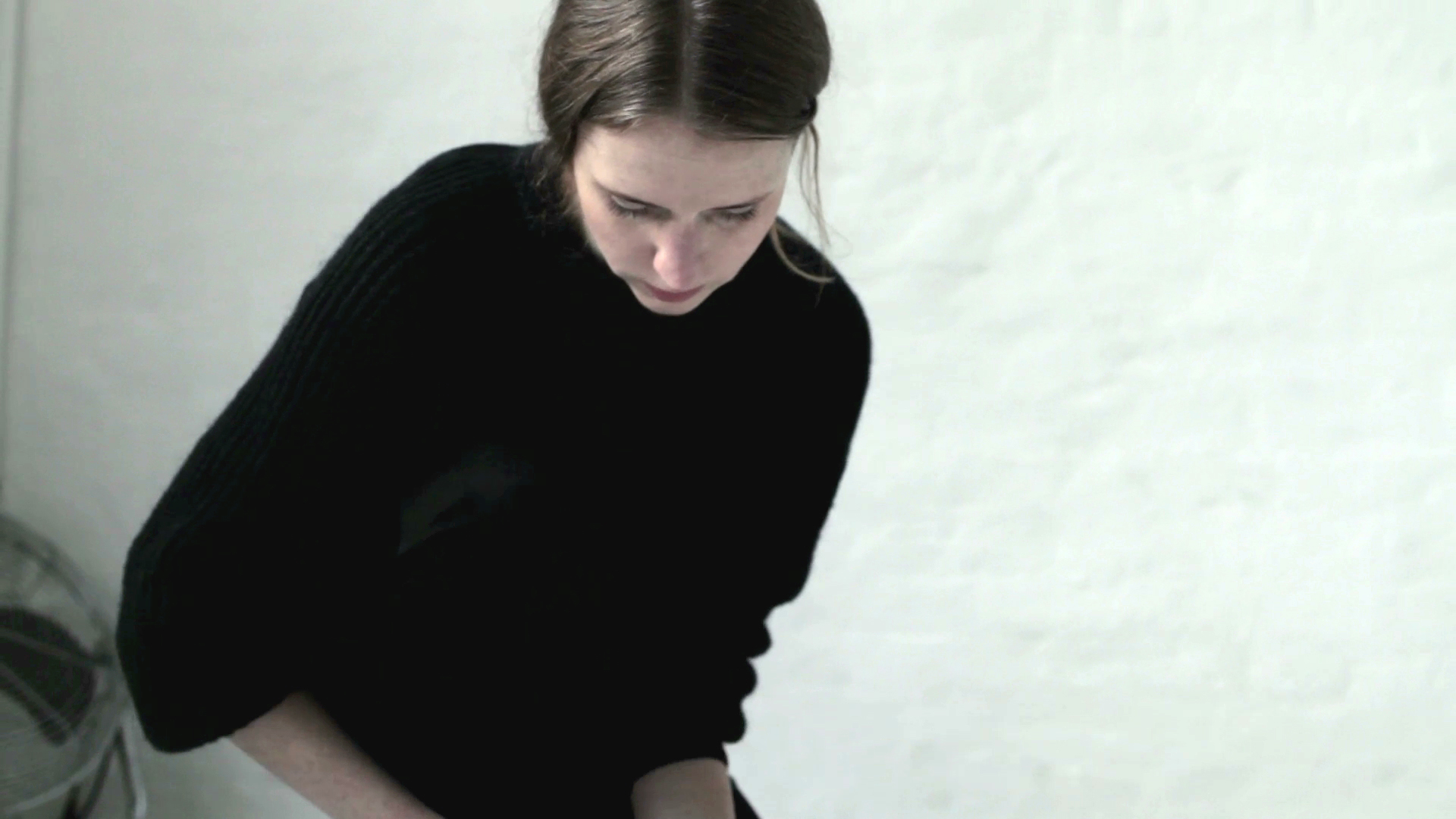
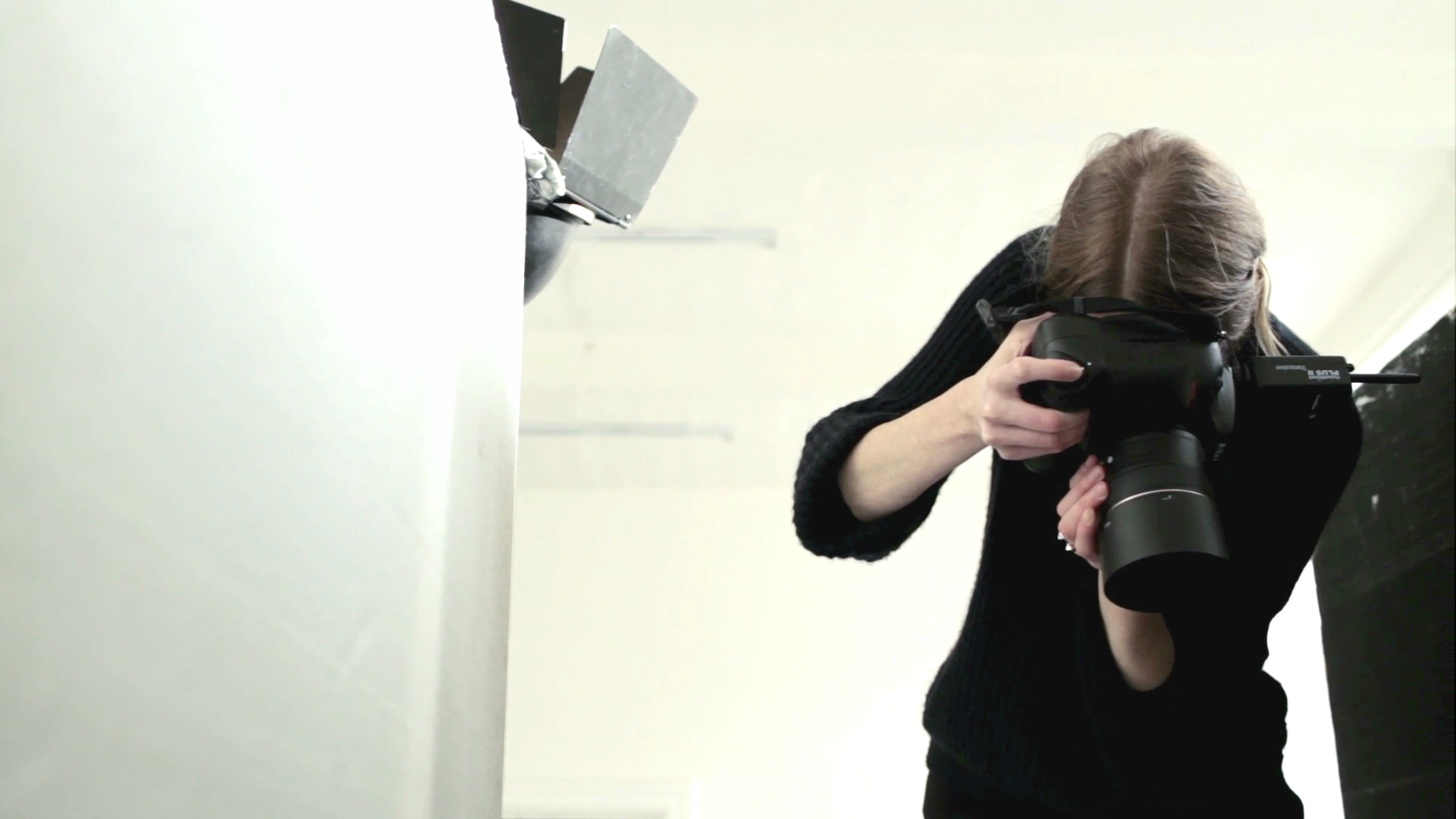
A few days ago we presented our first creative partner project and our first short film, the result of a cooperation between Berlin-based composer and music producer Robot Koch and the photographer Sabrina Theissen. For “In a Creative Dialogue – Robot Koch x Sabrina Theissen for IWISHUSUN” our ambassadors got together to take a look at the topic of sight, which IWISHUSUN has dedicated its work to.
Here you can see Sabrina Theissen at work:
The result: a photographic tryptich which is shown below. The sky and the sun are the determining motifs, which, in a similarly minimalist way as the song by Robot Koch, are captured only indirectly by reflection, allowing the greatest possible space for the unexpected aspects of ones own interpretations in their complete reduction – a playing field for one’s own way of seeing and perspectives.
The process and the thoughts of the two IWISHUSUN ambassadors are documented in intense imagery in Editude Pictures’ short film, “In a Creative Dialogue – Robot Koch x Sabrina Theissen for IWISHUSUN”:
]]>
We are thrilled to be able to present our first creative partner project and our first short film, the result of a cooperation between two ambassadors of our steadily growing network: “In a Creative Dialogue – Robot Koch x Sabrina Theissen for IWISHUSUN.”
Berlin-based composer and music producer Robot Koch and the photographer Sabrina Theissen got together to take a look at the topic of sight, which IWISHUSUN has dedicated its work to, from an unusual perspective. Robot Koch provided his brand new song “Jupiter”, for the project, which Sabrina Theissen used to garner inspiration, answering with her photographic tryptich, shown above. The sky and the sun are the determining motifs, which, in a similarly minimalist way as the song by Robot Koch, are captured only indirectly by reflection, allowing the greatest possible space for the unexpected aspects of ones own interpretations in their complete reduction – a playing field for one’s own way of seeing and perspectives.
This process and the thoughts of the two IWISHUSUN ambassadors are documented in intense imagery in Editude Pictures’ short film, “In a Creative Dialogue – Robot Koch x Sabrina Theissen for IWISHUSUN”:
Our thanks to Robot Koch, Sabrina Theissen as well as Frederic Leitzke and Andreas Lamøth from Editude Pictures, who captured the creative exchange in moving images.
You can read the IWISHUSUN interviews with Robot Koch, Sabrina Theissen and Editude Pictures here.
]]>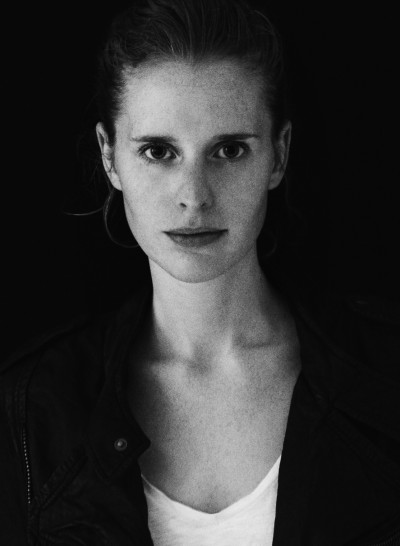
Sabrina Theissen
photographer – Berlin
Look for the name behind the photos in lala Berlin’s latest lookbooks. Check out who is responsible for various photographic series at many of our favourite print magazines, among them German VOGUE, Sleek, Achtung, Interview, L’Officiel Hommes, Indie and I Love You Magazine. The name they all have in common? Sabrina Theissen. The highly talented fashion photographer, who is based in Berlin, where she studied photo design, has built up quite a reputation over the past years. Thanks to her sensual yet conceptual way of creating an image, her unique eye driven by natural beauty and light, Sabrina’s photos can be easily identified – whether in the above mentioned magazines, in the context of lala Berlin’s collections (read Leyla Piedayesh’s interview with IWISHUSUN here) or working for other clients like Odeeh, Achtland, Hugo Boss, Closed and others.
We think Sabrina Theissen is a major talent and we love working with her. Before we show you the results, we are very happy to introduce you to Sabrina’s work and thought processes by sharing her interview:
You are a photographer and therefore sight must be a very important sense to you. What other sense couldn’t be missed in your life? Why?
Hearing. By listening to music it’s easily possible to dream yourself to any place you’d love to be.
What is your vision for your personal work?
To be honest to myself and to stay authentic in my way of showing what I’m adoring.
You have specialised in fashion photography but is there any other area that you still want to explore?
The more I get into the topic the more I’m exploring it. I’m also very interested in trying out new ways of seeing, showing beauty in another context and to realise projects on my own again, without a large team in the background.
Your personal opinion: what makes a good (fashion) photograph?
It should appeal to you in some way: whether because it makes you smile, leads you into a parallel world, touches you aesthetically or irritates you.
Looking through the camera is almost synonymous with the act of photographing. How does your normal sight differ from your personal perspective through a camera?
Not that much, I guess. It doesn’t make a difference if I’m holding a camera in my hands or not. This machine is just the way to visualise what I’m seeing.
What is the most beautiful thing you ever saw?
My newborn niece.
Sunrise or sunset – what do you prefer?
Hard to decide. Both events are so incredibly beautiful and full of metaphors like hope, recommencement, transition… I do love both.
What would you like to see more often?
People smiling on the street.
What is your tactic for making the world a better place?
By starting to change things in my own life which I’d also love to become real in a bigger context.
When was the last time you gave back and what did you do?
I just did some craft work for my mother’s project. Once a year she organises a great market together with other women, raising money for autistic children and a women’s shelter.
But this is not the only chance Sabrina Theissen jumps at to show her vivid interest in the world and her fellow human beings: the generous photographer also supports IWISHUSUN not only by giving us an interview but by being involved in a new exciting project which we will showcase very soon. That’s why Sabrina’s picture for IWISHUSUN is still in the making and we can’t wait to show you the result. Stay tuned!
In the meantime we present a selection of her photographic work below:
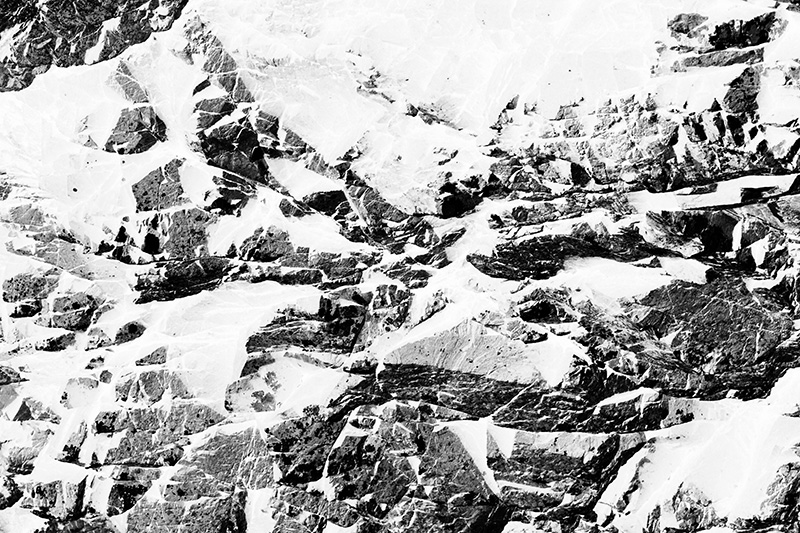
“From Vancouver to LA” series:


Commercial work:
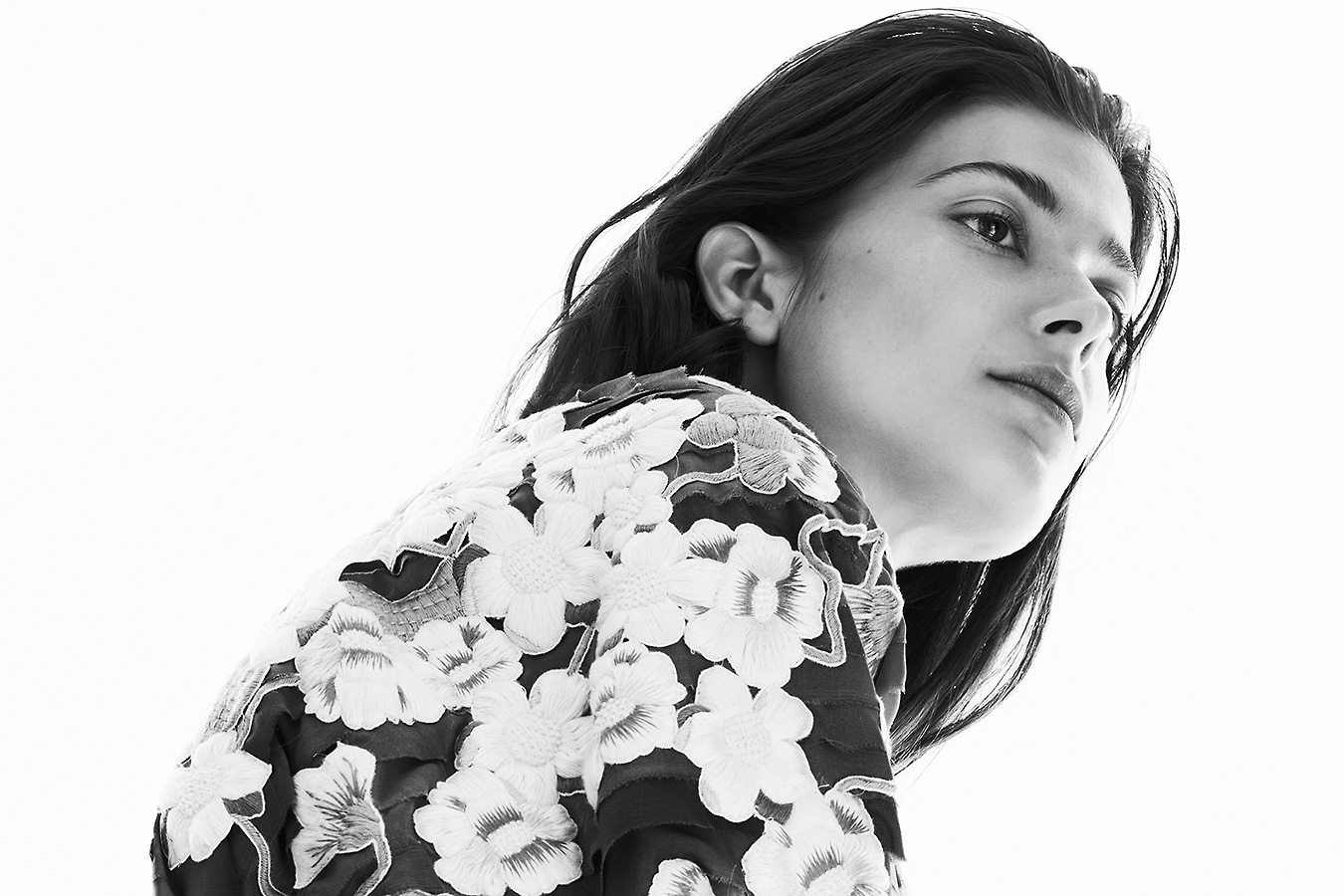
Achtland Spring/Summer 2014
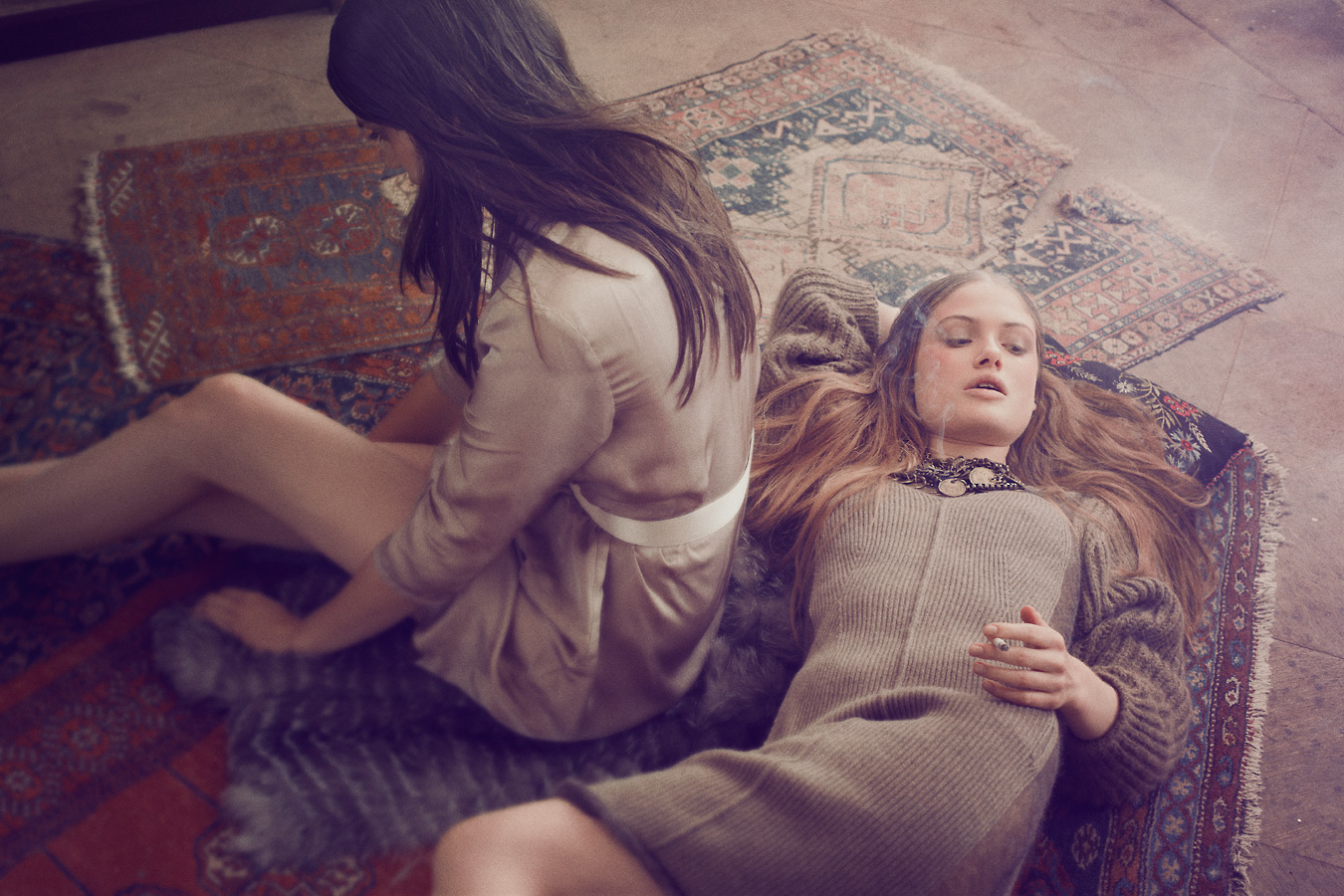
 Sleek, “Brumous”
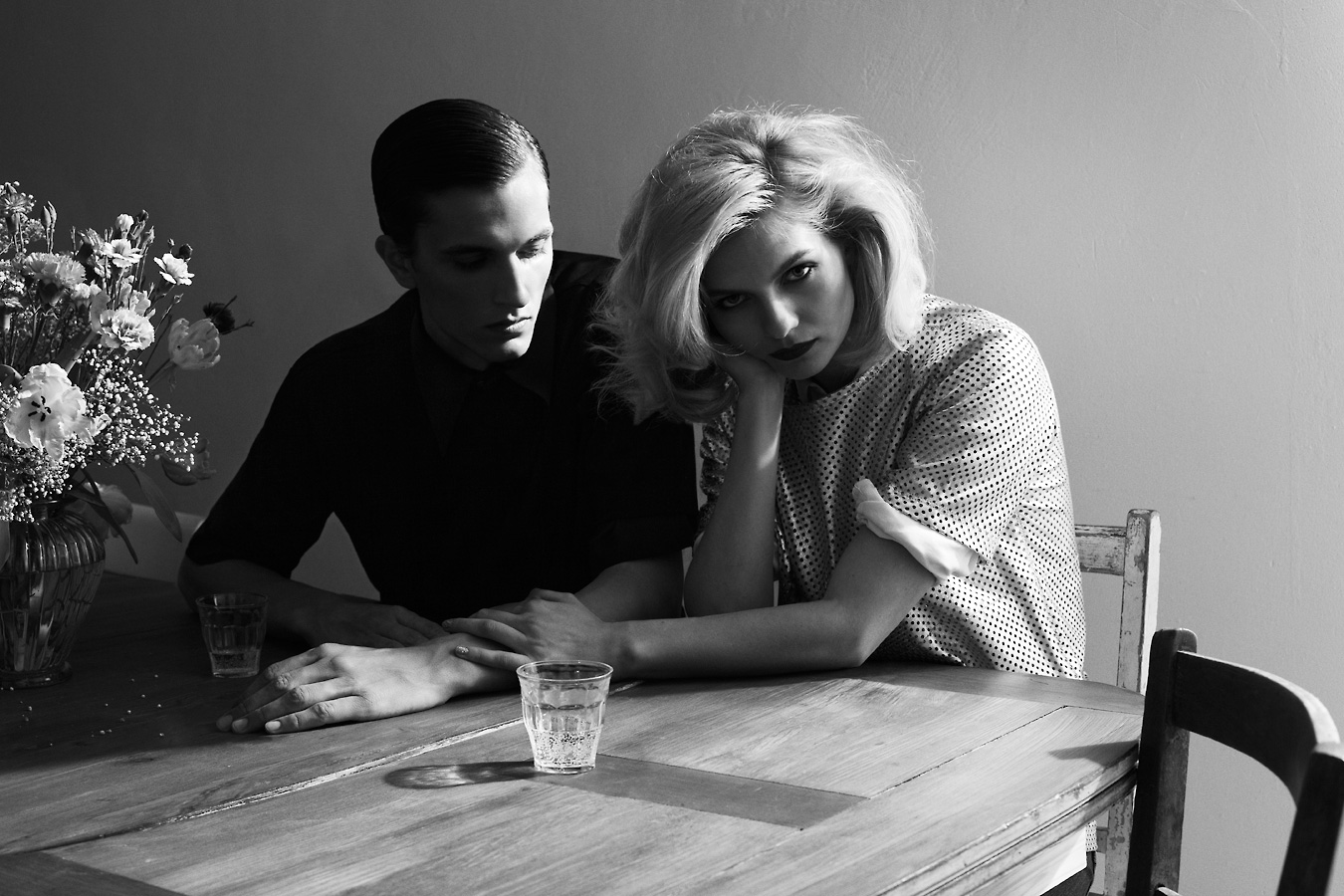 Sleek, “Insight”
]]>
Sibylle Breitbach
Founder of WASTED Management – Berlin
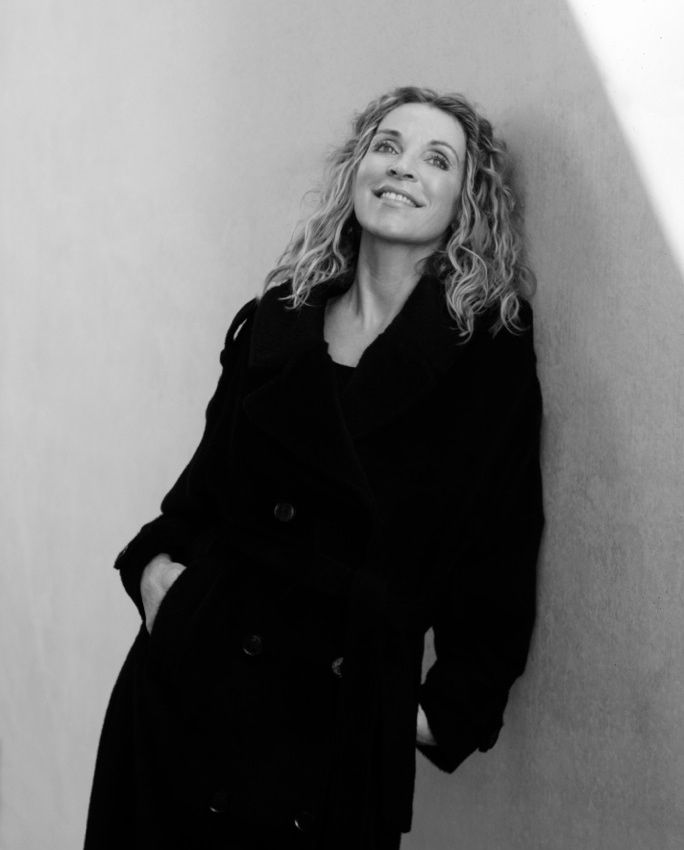
“I’ve always been fascinated by meeting new and interesting people, cultures and places,“ says Sibylle Breitbach about herself. In the past the likeable Berliner-by-choice has proven that she knows very well how to make the best of her natural curiosity and at the same time support other people, without any pressure but in an on-going organic process. Her curiosity also led her to a stint working at Germany’s Ministry of Justice but then moving on to Cologne’s Chelsea Hotel in the early nineties, which was soon loved by the creative circle and music scenes. Here Sibylle met German actress and then VIVA moderator Heike Makatsch with whom she would pass into a new chapter of her life: in 1995 the intense working relationship between Sibylle Breitbach and Heike Makatsch led to the foundation of WASTED Management, an artist management agency with a comprehensive service, which developed over a period of time; the actress being Sibylle’s first client.
Since then WASTED Management has expanded, but those who presume that time and success has changed the intimate approach of Sibylle’s work will be disabused: anyone who thinks that her agency’s emphasis on a close cooperation between client and agent are nothing but empty words, will immediately change their minds as soon as they get to know Sibylle. She proves that professionalism and humanity, along with a strong commitment to and interest in your environment can go together very well. No wonder she immediately had a positive feeling about IWISHUSUN from the first time we met. That’s why we are very glad to introduce you to Sibylle Breitbach as our friend and supporter who appreciates our cause. A very warm welcome!
WASTED MANAGEMENT represents the actresses Heike Makatsch, Sibel Kekilli, Alexandra Neldel, the TV presenter/author Tine Wittler, the directors Feo Aladag and Miriam Dehne and the photographer Roman Walczyna–public figures whose works are mainly or at least partly characterised by visuality.
But what is more important to YOU, the sense of sight or taste?
Definitely sight! Sight allows you to be surprised by beauty in a way no other sense does.
You founded WASTED Management in 1995–a decision that was closely linked and influenced by the intense working relationship with your first client, German actress Heike Makatsch. Did this close cooperation remain essential for your whole work?
Yes, absolutely. When we started working together we were just like kids – naïve and full of energy. The core of my business grew organically out of our relationship. Working with someone like Heike who is honest, determined, highly talented, very intelligent and brave made me realise the kind of business I wanted to run.
Placing a strong emphasis on personal connections with your clients, on a close-partnered way of working opposes itself to conventional methods. Do you think this is the future of management?
It’s a broad market and many approaches are valid. The only thing I can say for certain is that this approach works best for me. By working in a close partnership with my clients and really getting to understand them as individuals we can develop ourselves and our projects in a manner that is both organic and dynamic.
WASTED Management is working hard on realising its clients’ dream, hopes and goals. But what about you–what are you dreaming of?
I’ve always been fascinated by meeting new and interesting people, cultures and places. I’d love to become more internationally involved.
When was the last time you gave back and what did you do?
For me it’s the little things that count and our relationships to other people. Making kindness a habit is an ongoing process of mine. There is no final destination here but the journey is fun.
Do you have a vision to make this place a better one?
I’d like to think that by doing the right thing by myself and other people it makes a difference.
What is the most beautiful thing you ever saw?
Discovering a place that I felt and still feel deeply connected to.
What would you like to see more often?
The only thing I miss more than my friends from the Maldives is being there with them.
Sunrise or sunset–what do you prefer?
I love both, and the contrast.
Who is your personal hero?
I don’t believe in putting someone in a position of a hero. But there are qualities I admire in people. I admire people who have the clarity of vision to see what’s wrong in the world, the moral character to want to change it and the bravery to take action.
What´s your picture for IWISHUSUN?
The picture below. I had no idea where Roman (the photographer) was taking me. We drove through countless plastic tourist towns, cycled 8 km through a damp forest and my heart sank. Suddenly this beautiful ocean vista appeared before us taking me completely by surprise. “Beauty is truth, truth beauty.” (John Keats)
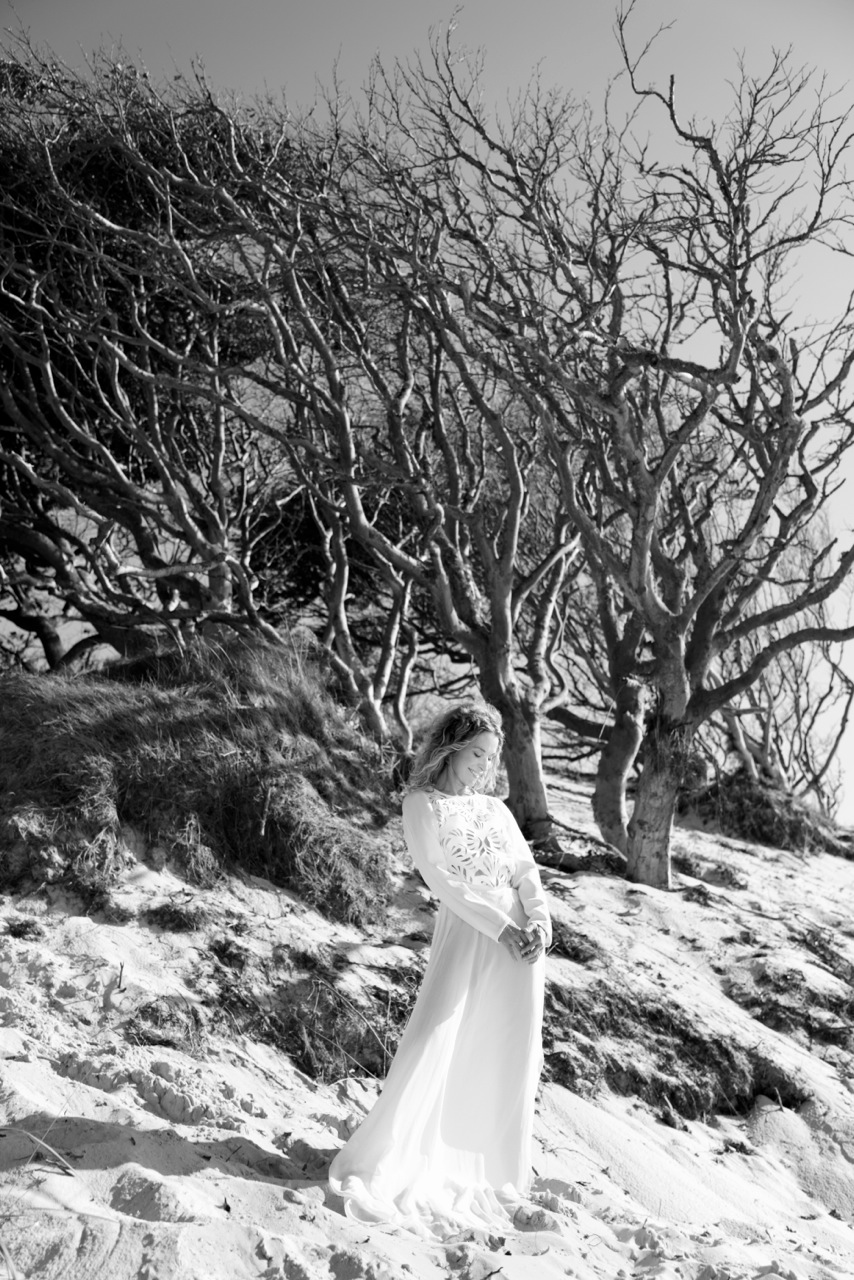
Photography: Roman Walczyna.
]]>
In the past months we have been able to help so many people who suffered from preventable blindness in Bangladesh but have been saved by a cataract operation or received a pair of glasses through ORBIS International‘s work – thanks to you and your IWISHUSUN purchases! Today we want to thank you for your support, dear customers, as well as look back on Henning Heide‘s trip to Bangladesh. When the Hamburg-based photographer and friend of IWISHUSUN (read his interview here) came back home he did not only bring a lot of memories and experiences but also his pictures which he had taken of the people who have received an eye operation thanks to products bought here.
With the cooperation with ORBIS at the Ispahani Islamia Eye Institute in Bangladesh we can guarantee that the money flows directly into this project, enabling us to document who has received eye surgery. The Ispahani Islamia Eye Institute and Hospital in Dhaka is not only the largest but also the oldest hospital in Bangladesh, specialised on eye disease. For more than 50 years a wide range of eye diseases have been treated and a particular emphasis is on treating poorer sectors of society. The aim is to provide each patient with the same high level of medical care, regardless of their financial situation, and the hospital is open to everyone.
Meet more people who have been saved in our “PEOPLE” section.
]]>In the past Ralf Schmerberg‘s ads for Levi’s, Lufthansa and Nike stood out in Cannes, two of his films are part of MoMa’s permanent collection, his film and photo works won several international awards, his film “Trouble – Teatime in Heiligendamm” which documents 2007′s G8 summit was awarded the “Most Valuable Documentary of the Year” prize, in 2012 he received the title “Creative Leader of the Year” in the context of one of Germany’s most important media awards, Lead Awards – in short: Ralf Schmerberg is an internationally renowned and acclaimed artist and filmmaker. But most importantly the Berlin-based Schmerberg is a very sensitive person whose work and life is based on sight which is the most important sense to him. His personal and artistic vision is not about any aesthetic theories but is based on his own personality and visual impressions as well as the search for community and new ways of freedom.
FashionDaily.tv met the artist at his studio in Berlin-Kreuzberg and to those of you who German we recommend to watch their video interview!
]]>
THOMAS SCHENK
photographer – Austria
Since the late eighties Thomas Schenk has been working for renowned labels showcased in fashion magazines such as Vogue, Harper’s Bazaar, Purple and Details or brands like Yves Saint Laurent, Hermès and J. Crew. But if it was up to the self-taught photographer his fashion shoots would still be as spontaneous and natural as they used to be back when he started his career. Nowadays the perfect arrangement has become paramount, but Thomas Schenk still works in a down-to-earth way: always in search of the interesting, the particular and exceptional, for “utter modernity and edgy introspection”; his aesthetic is never overstated or overly staged but simple and clean. He remains calm and classy where other photographers can sometimes be loud and pompous.
Becoming a photographer was not something he had planned. Before discovering photography at the age of 26, Thomas Schenk, who was born in Illinois and raised in New Jersey, earned his Bachelor of Fine Arts at the Philadelphia College of Art where he studied ceramics and printmaking. After that, his path led him steadily towards fashion photography, where he has managed to carve out uniqueness amidst a flood of homogenous, pretty faces. Character and personality in the face of a model are the highest priority and that’s exactly why IWISHUSUN appreciates his work. In the past we were lucky enough to have him shoot our logo T-shirts and now we are very happy to catch up with an interview – a very warm welcome to our “Friends” section and thank you for supporting IWISHUSUN!
What is more important to you, the sense of hearing or sight?
I can absolutely not imagine life without sight. My whole being revolves around it…
You are a creative person who is home in many places. What is your vision for your personal work?
The funny thing about my personal work (photographs) as opposed to my professional work, is that I absolutely cannot force the photos to happen. I have to wait for days, sometimes even months for one to happen, and then when it does I know it immediately.
Once you said: “What I’m trying to do is keep it really simple, see who the girl is, see what the clothes are, and create a look that will maybe be a little more interesting.” Your personal opinion: what makes a good (fashion) photograph?
If I could have my way I would still be doing those simple fashion portraits I began my career with. I always loved (still love) the woman exactly how she came to the studio; and my hair and make up team back then did as well. We didn’t touch her hair until she was on set and if the make up took more then a minute or two to do, then we wiped it off because it had to be wrong. I was probably one of the last photographers to go from film to computers.
Looking through the camera is synonymous with the act of photographing. How does your normal sight differ from you personal perspective through a camera?
Unfortunately, once you look through a camera, you immediately begin to make decisions and start to try to control what you are seeing. It is a very rare photographer who can make a photograph feel like normal sight.
What are your favourite motifs?
That depends on the day and what I’m doing or where I am.
What is the most beautiful thing you ever saw?
How can a father answer that in any other way?!
Sunrise or sunset – what do you prefer?
Please, no sunrises, I hate waking early.
What would you like to see more often?
I am obsessed with my kids, I spend every possible moment with them and that’s not even enough…
What is your tactic for making the world a better place?
I missed the boat in doing anything really valid in the sense of a lifetime doing good but I do my thing, try to buy only from 1% Companies, Quipo, stuff like that.
Now my big project is to raise my kids right.
When was the last time you gave back and what did you do?
Gave back what?
What’s your picture for IWISHUSUN?
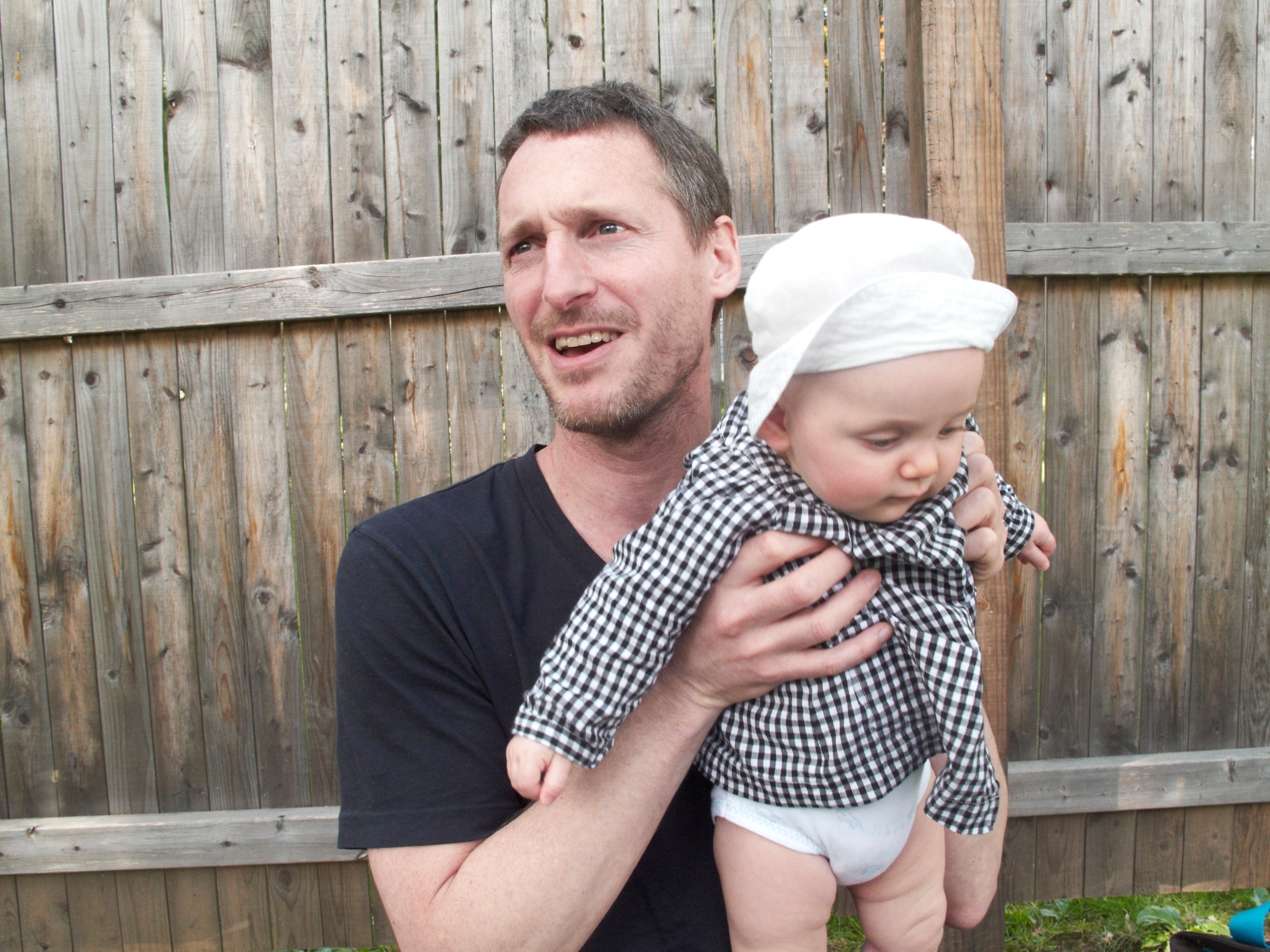
Me and my daughter in New Jersey… (see above, editor’s note)
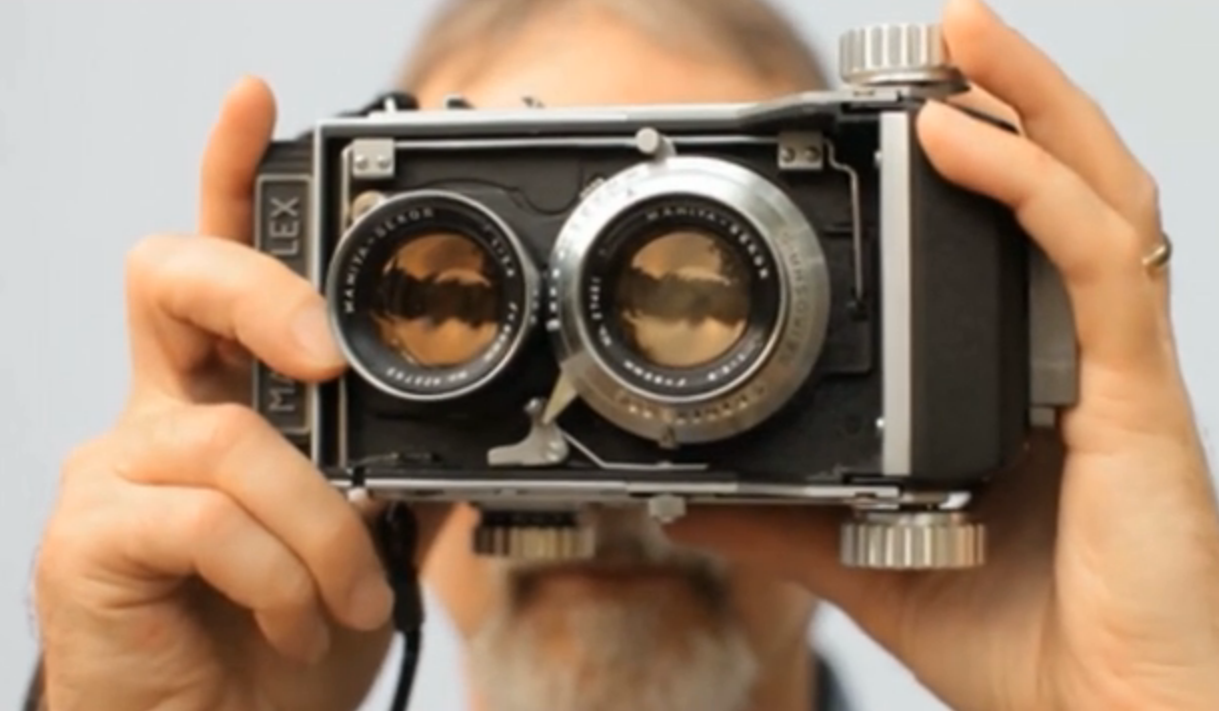
This is a truly exceptional story: Pete Eckert didn’t take photography seriously. Until he went totally blind. Eckert was trained in sculpture and industrial design and planned to study architecture at Yale, but then he startetd to loose is sight. He suffered from Retinitis Pigmentosa and since there is currently no cure for this disease, he went completely blind. After years of recovering and re-orinentation, Pete Eckert discovered his mother’s old camera – a coincidence that should become an initial point in his life. Almost immediately, he felt compelled to dedicate himself to this intensely visual medium despite his devastating diagnosis.
Pete Eckers remembers: “I found the camera fascinating and discovered it had an infrared setting. I thought a blind guy doing photos in a non-visible wavelength would be amusing. I was hooked. I knew nothing about film or manual cameras.” Almost 30 years later, Pete Eckert is an award-winning photographer.

Eckert takes his photos mostly at night, when his hometown of Sacramento is quiet and empty, and he can move around more easily. Although they clearly depict the isolation from the world of those who see, Eckert found ways of turning his disability into an advantage:
I am not bound by the assumptions of the sighted or their assumed limits.
I am trying to cut a new path as a blind visual artist. Sighted people don’t help me make the art. They do give me feedback before I do the final large prints. I shoot the image, develop the film, and I do the contact print. I do what I call sample prints. There is a clear dividing line. I need the feedback loop to afford making large final products. I could cut sighted people completely out of my process. I could do a write up about the event of taking the photos. The negatives, contact sheets, and write up about the event could be the final product. I like doing the dramatic large prints better. I want sighted people involved. It is a good bridge between the blind and sighted. I want to be included in the world and accepted.
. . . Occasionally people refuse to believe I am blind. I am a visual person. I just can’t see.
Also, find Pete Eckert featured in The Avant/Garde Diaries:
Photos: Screenshot.
]]>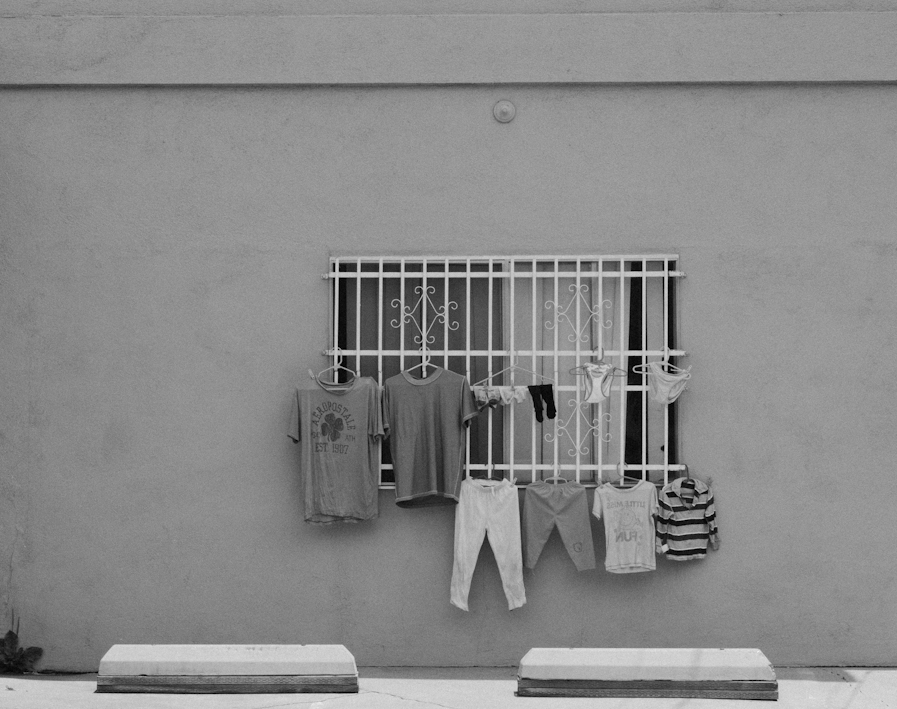 Detail: Jessica Comingore, LA in BW.
When thinking of Los Angeles images of Hollywood, of glamour but also of a vibrant creative scene come into mind. But a closer look at the City of Angels alters the first impression as Jessica Comingore‘s photos visualise: In her series, “LA in BW” the designer and photographer captures the quieter, reflective side of Los Angeles, through the eyes of a true Angeleno. The resulting monochrome pictures get us to reassess our stereotyped idea of Los Angeles which now is replaced by Jessica Comingore’s calm perspective.
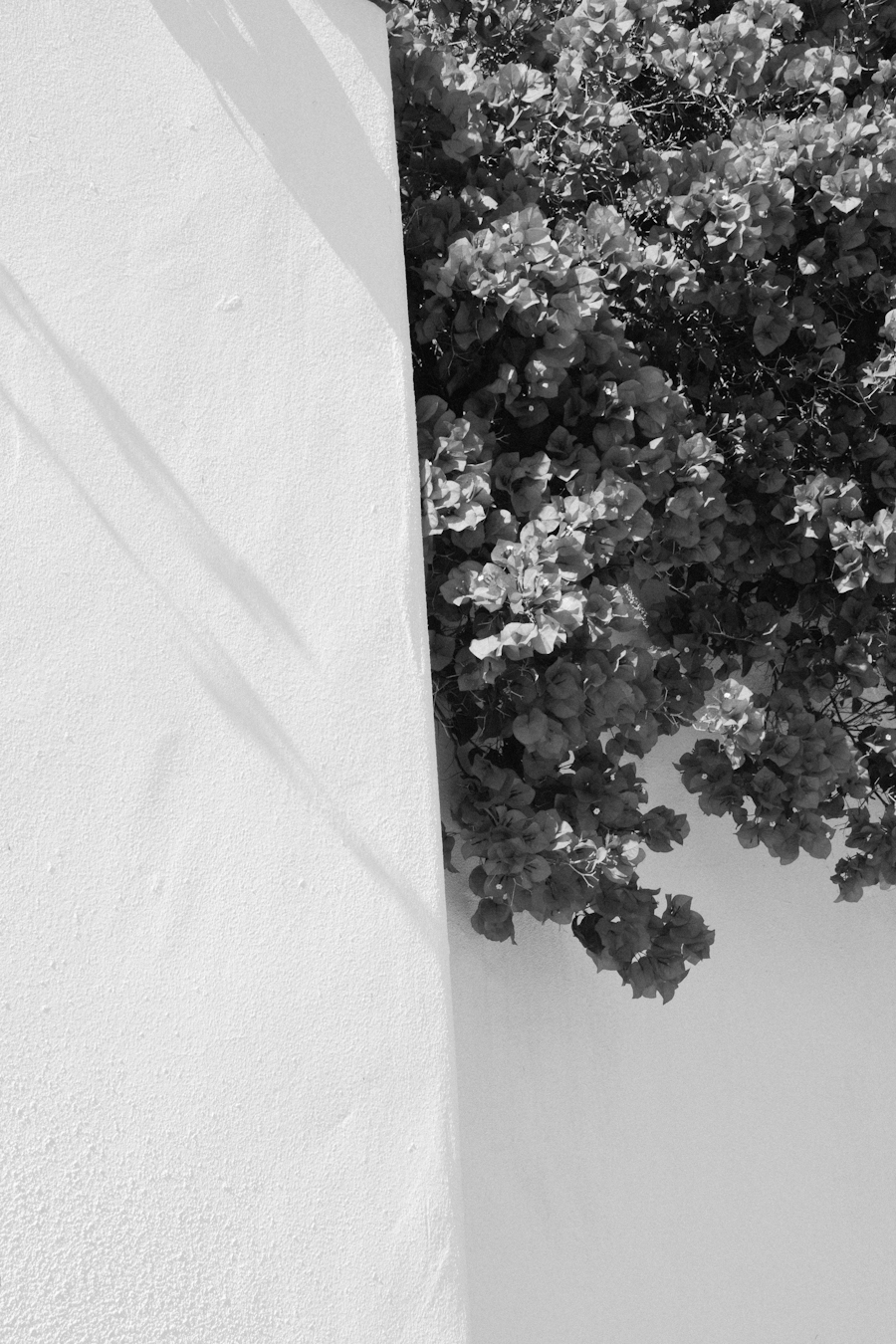
The photographer who among other clients works for Freunde von Freunden has been featured at AssemblePapers.com.au and told them
It sort of started as a bit of an accident when I stumbled upon the most beautiful bougainvillea spilling over a concrete wall on a lunch break in Echo Park. I had my camera with me and decided to snap a photo. When I came home to edit it, I found that I had left my settings on black and white, and didn’t capture the bright fuchsia hue I had intended at all. But rather, I saw this sculptural contrast of the soft petals against an urban backdrop. I was pleasantly surprised and made a point of bringing my camera along on every mundane drive about town to capture these little moments, but also spoke to the diverse landscape of this sprawling city. Though I had passed by these locations so many times over the years, I felt like I was seeing them with a completely new perspective.
Find the entire series here.
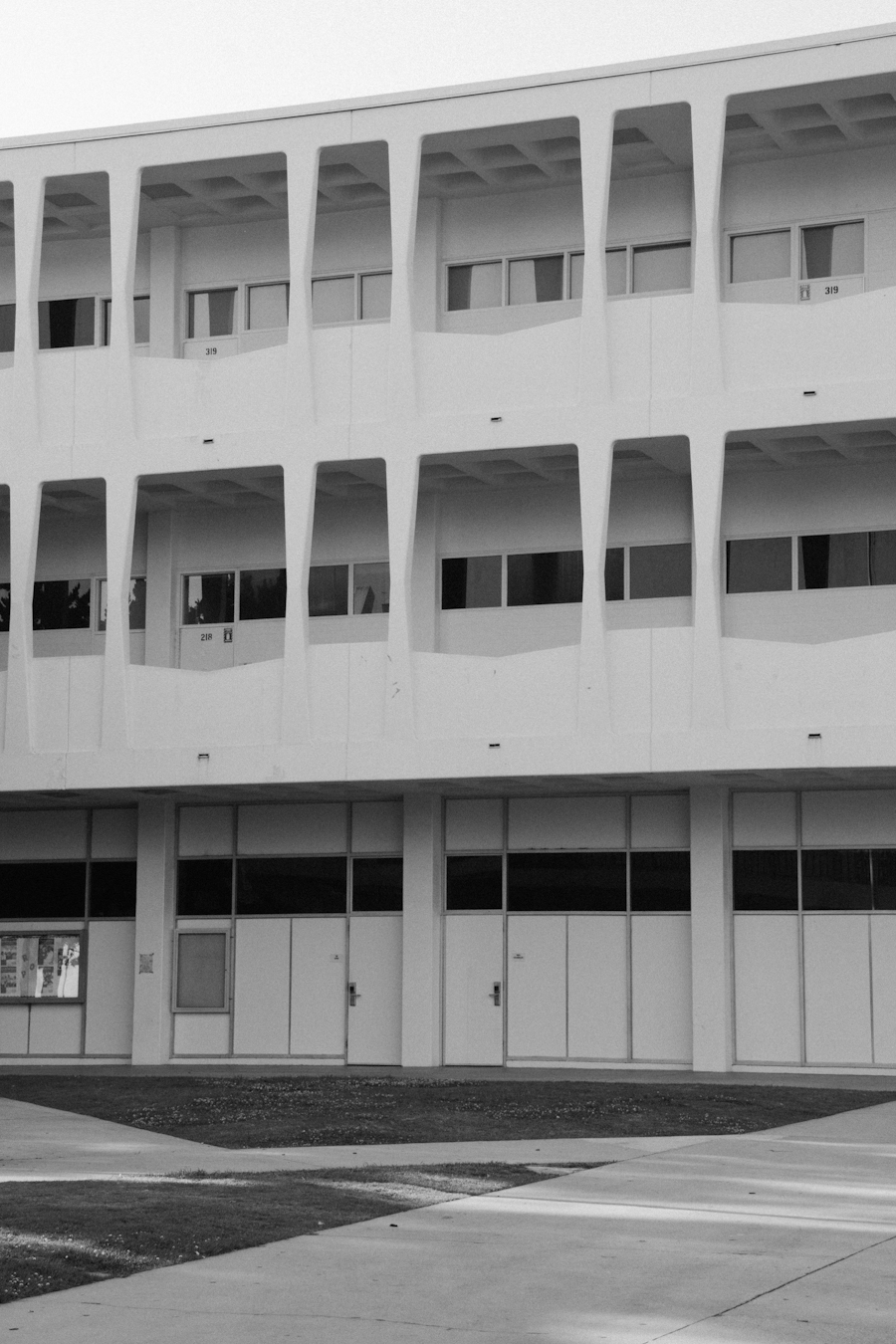
Photos: Jessica Comingore.
]]>